Real estate
Short-Term Rentals in Agadir (Airbnb, Booking): What the Law Requires of Owners
Letting your flat in Agadir, Taghazout or Tamraght to holidaymakers can be profitable, but not without rules. Legal framework, guest registration, co-ownership rules, tax, management companies and disputes with guests: a legal overview for Moroccan, diaspora and foreign owners.
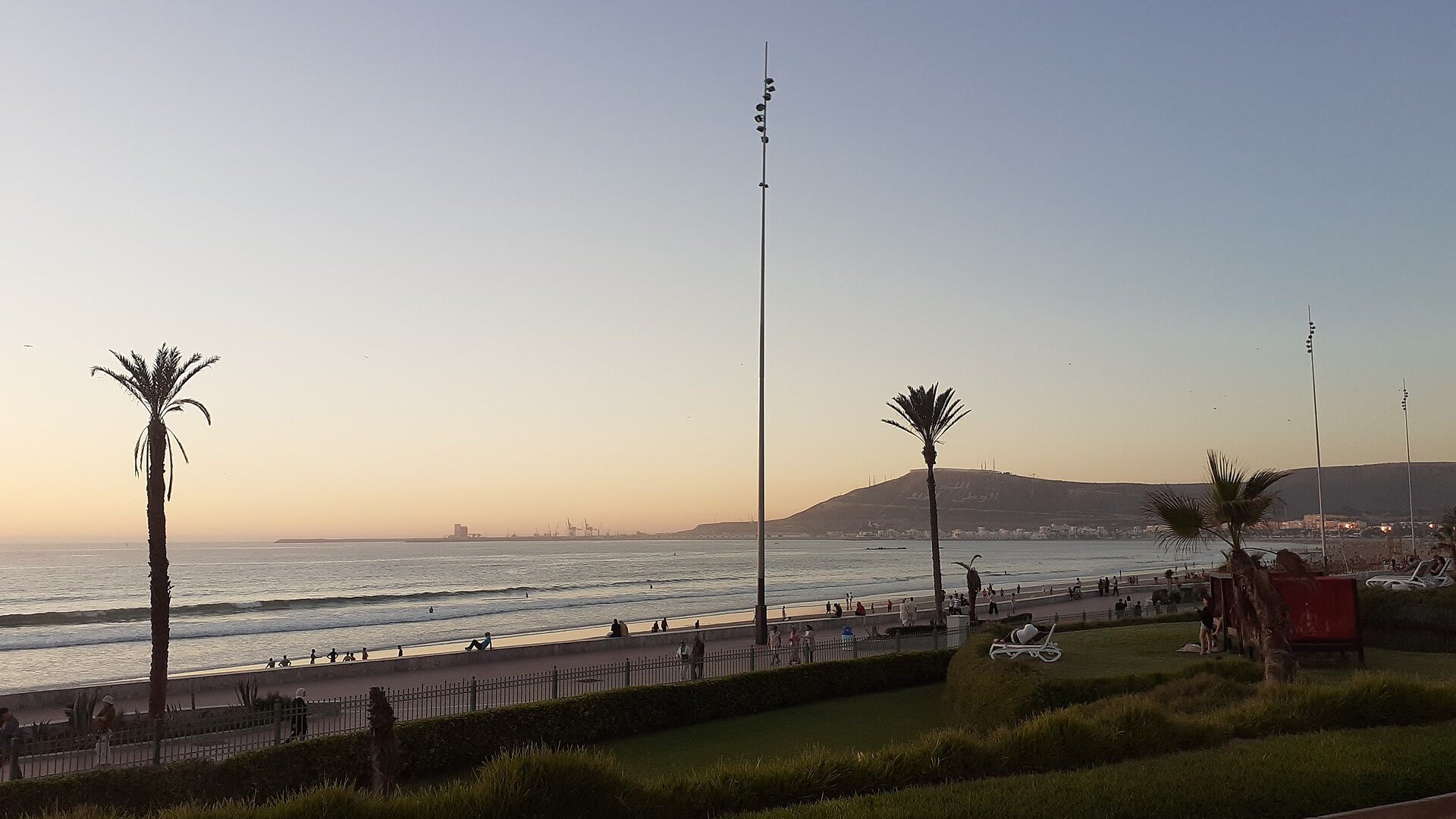
The tourist success of Agadir, Taghazout and Tamraght has led to a boom in short-term rentals through platforms such as Airbnb and Booking. For an owner — resident, Moroccan living abroad or foreign national — letting a flat for a few nights or weeks can significantly improve the return on the property. But this activity sits at the crossroads of several sets of rules: tourism law, security, co-ownership, tax and contracts. This guide sets out the obligations to know and the precautions that avoid unpleasant surprises.
What is the legal framework?
Morocco regulates tourist accommodation through Law No. 80-14 on tourist establishments and other forms of tourist accommodation. Depending on how the property is operated — occasional letting of a second home, letting several flats, offering hotel-type services — the activity may fall within this framework, with declaration or even classification obligations.
Short-term furnished letting by private individuals is attracting growing attention from the authorities, and the framework is likely to change. Before you start, or if you expand the activity, have your situation checked: a lawyer can analyse how you operate and tell you which steps to take with the competent authorities.
Law No. 67-12 on residential leases is primarily aimed at long-term lettings. For a stay of a few nights, the relationship with the guest is mainly governed by the platform’s terms and your house rules; for a stay of several months, a proper written lease is preferable.
Identifying and registering guests
Hosts must be able to identify their guests and, where applicable, pass their details on to the authorities: this is the logic of the “police form” that hotels know well. Keep a copy of identity documents in compliance with personal data rules, and ask the police station or local authority in your neighbourhood about the arrangements that apply to your property. This formality also protects the owner if something goes wrong.
Co-ownership: the rules can change everything
In a building or residence, the activity must comply with Law No. 18-00 on the co-ownership of buildings and with the co-ownership regulations. Some regulations restrict flats to residential use, prohibit commercial activities or govern access to shared facilities — swimming pool, private beach, car park. Read your regulations before publishing a listing, and inform the building manager (syndic).
Nuisance — noise, constant comings and goings, damage to common areas — is the leading cause of conflict with neighbours. Clear house rules, displayed in the flat and accepted by guests, reduce the risks. See co-ownership in Morocco: building managers and service charges.
Tax: declaring rental income
Rental income must be declared. Its tax treatment depends on the nature of the activity: unfurnished letting falls under property income, while furnished letting with services may be treated as a business activity. Other taxes, particularly local ones, may apply to tourist accommodation.
For a non-resident owner, income from a property located in Morocco is in principle taxable in Morocco, and often has to be declared in the country of residence as well, the applicable tax treaty preventing double taxation. Talk to a tax adviser from the start.
Contracts, deposits and disputes with guests
- Describe the property and its amenities accurately in the listing: a misleading description gives grounds for complaint.
- Draw up house rules: maximum number of occupants, parties, quiet hours, pets, use of the pool.
- Take a photographic inventory before and after each stay.
- Ask for a deposit or use the platform’s guarantees, and take out insurance that explicitly covers letting to third parties.
In case of damage or non-payment, start with the platform’s resolution centre, then, if necessary, a formal notice and court action. For a long-term let that goes wrong, see unpaid rent and eviction.
Using a management company
Many owners, especially those living abroad, entrust check-ins, cleaning and listing management to a concierge company or a relative. Put this relationship on a formal footing with a written management agreement: tasks entrusted, fees, payment of rental income, accounting, duration and termination. Avoid handing over a general power of attorney: an agreement limited to management is enough and protects you.
Foreign and diaspora owners: points to watch
- Rental income from a property bought with foreign currency can in principle be transferred abroad, subject to exchange-control rules and tax obligations: keep proof of how the purchase was financed.
- Make sure your title is up to date and that service charges are paid: a dispute on these points can block your activity.
- To manage things remotely, see how to hire a lawyer in Morocco from abroad.
A worked example
A Moroccan living in the Netherlands owns a sea-view flat in Agadir, which he lets on a platform throughout the year. After neighbours complain about noise, the building manager serves him with a formal notice to comply with the co-ownership regulations. With a lawyer’s help, he adopts strict house rules, limits the number of guests, appoints a concierge company under a written management agreement, declares his income and sets up guest registration. The complaints stop and the activity continues on a secure footing. This example is simplified.
Key takeaways
- Depending on how it is operated, short-term letting may fall under Law 80-14 on tourist accommodation: have your situation checked.
- Identify your guests and find out about the registration formalities.
- Comply with the co-ownership regulations and prevent nuisance.
- Declare your income and put any management arrangement with a third party in writing.
Frequently asked questions
Do I need a licence to rent on Airbnb in Agadir?
It depends on how you operate, and the framework is changing. Occasionally letting your own home is not treated like running several units with services. Have your situation analysed before starting or expanding.
Can the building manager ban short-term lets?
The building manager applies the co-ownership regulations and the decisions of the general meeting under Law 18-00. If the regulations restrict how units may be used, they bind all co-owners.
Do I have to declare my Airbnb income in Morocco?
Yes. Income from a property located in Morocco must be declared under the regime that matches your activity; a non-resident must also check their obligations in their home country.
Can my tenant sublet the flat on Airbnb?
In principle not without your written consent: subletting is regulated by the residential lease law. Include a clear clause in the lease.
Your lawyer in Agadir to secure your rental activity
The office of Maître Said Laachili advises resident owners, Moroccans abroad and foreign nationals on real estate matters in Agadir and along the northern coast, working in French and Arabic. Also read Aourir, Tamraght, Taghazout: property and rentals and book an appointment to have your project checked.
Articles published on this website are for general information only and do not constitute legal advice.