
International & expats
How to Hire a Lawyer in Morocco from Abroad: 7 Steps to Hand Over Your Case Safely
Do you live in the UK, Ireland, the US, Canada or elsewhere in Europe and have a legal matter in Morocco — a property in Agadir, an inheritance, a dispute, a divorce? Checking the lawyer, remote consultation, written fees, an apostilled power of attorney, documents and follow-up: how to move forward without travelling.
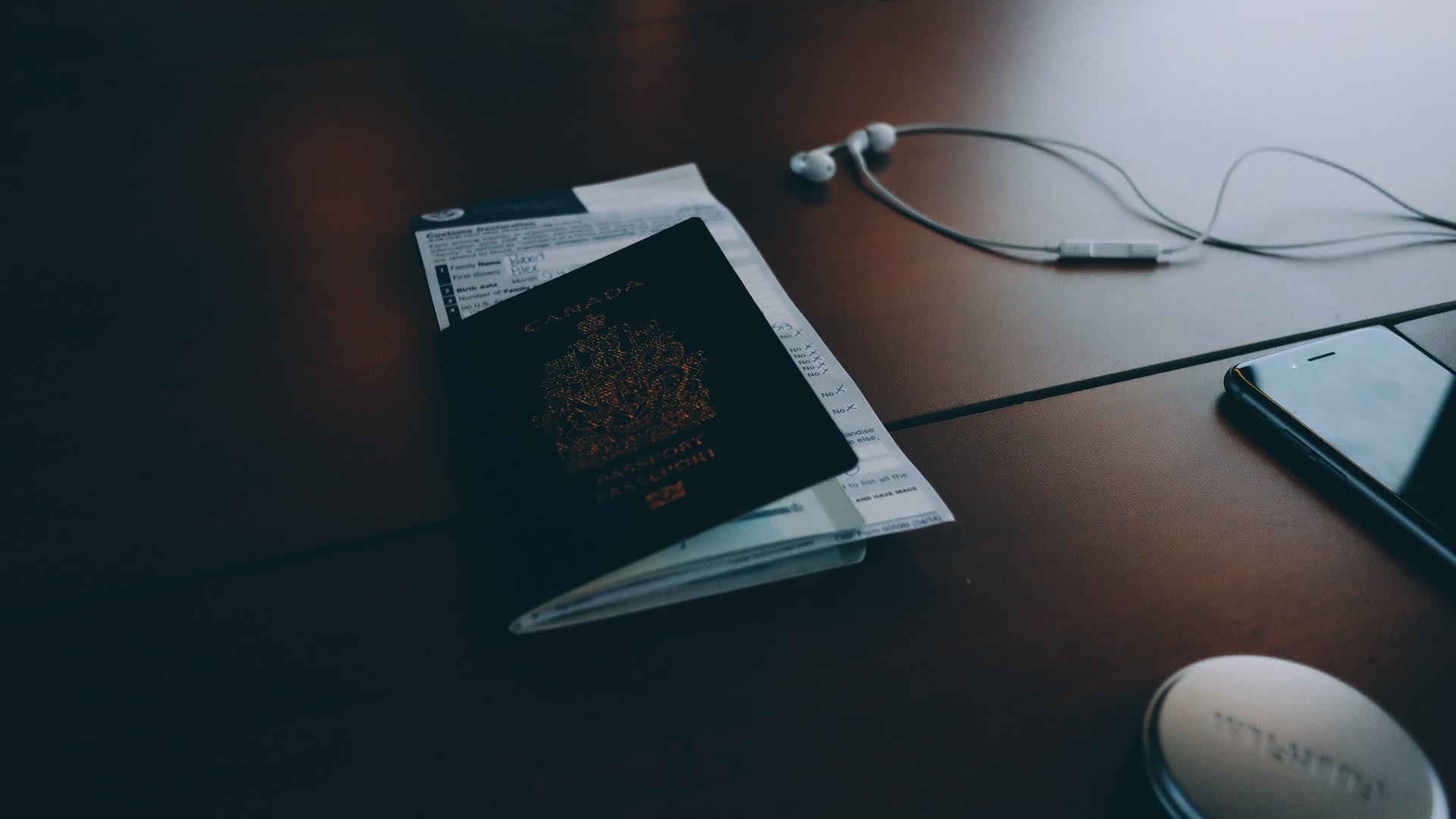
A flat in Agadir occupied without right, a blocked inheritance, a developer who fails to deliver, a divorce or a foreign judgment that needs to be recognised: many foreign nationals and Moroccans living abroad have a legal matter in Morocco while living thousands of kilometres away. The good news is that most steps can be handled remotely, provided you choose the right person and comply with a few formalities. Here is the method, in seven steps.
Step 1: check that the person you are dealing with really is a lawyer
Only a lawyer registered with a Moroccan bar can represent you before the courts. In Agadir, lawyers belong to the Agadir, Guelmim and Laayoune Bar. Before handing over a case:
- ask for the lawyer’s full name, bar and office address;
- beware of intermediaries who promise results, ask for cash or present themselves as “close to the court”;
- favour a first direct conversation with the lawyer, at the office or by video call.
The legal profession is regulated by Law No. 28-08: lawyers are bound by professional secrecy and by their rules of professional conduct. See also best lawyer in Agadir: 10 criteria.
Step 2: explain your situation and get a first opinion
Prepare a written summary of your situation — the facts, the dates, what you want to achieve — and scan the key documents: land title or contract, correspondence with the other party, decisions already given, civil status records. A video consultation then allows the lawyer to assess the file, identify urgent issues and deadlines, and explain the options available.
On language, let us be clear: the office works in French and Arabic, and court proceedings take place in Arabic. For English-speaking clients, written exchanges can be handled with the help of a translator, and it is advisable to be accompanied by an interpreter at meetings.
Step 3: agree on fees in writing
Before work begins, ask for a written fee agreement specifying:
- the services covered: consultation, drafting, proceedings, enforcement;
- how fees are calculated and the payment schedule;
- the additional costs: court fees, translations, judicial officer, expert reports.
Pay by bank transfer to the office’s account, against an invoice. Avoid cash payments through third parties. See how much does a lawyer cost in Agadir.
Step 4: sign a power of attorney valid in Morocco
To represent you in court, a lawyer generally does not need a notarised power of attorney. Certain acts, however, require a special power of attorney: selling or buying property, receiving funds, settling, withdrawing a claim, completing certain administrative formalities. There are two routes:
- sign the power of attorney before a notary in your country, then have an apostille affixed, Morocco having been a party since 2016 to the Hague Convention abolishing the legalisation of foreign public documents;
- or sign it at the Moroccan consulate for your area.
The power of attorney must then be translated into Arabic by a sworn translator in Morocco. Have the lawyer draft its content: a power that is too vague will be refused, and one that is too broad can be dangerous.
Step 5: send your documents in the right form
- Foreign public documents — civil status records, judgments, notarial deeds — must be apostilled or legalised.
- Documents in a foreign language must be translated into Arabic by a sworn translator to be produced in court.
- Send scanned copies first; only send originals, by secure courier, when the lawyer asks for them, and always keep a copy.
Step 6: follow your case remotely
Good follow-up relies on regular communication: a report after each hearing, information on deadlines and decisions, answers to your questions within a reasonable time. Exchanges take place by email, phone, messaging and video call, taking the time difference into account. You can also check the progress of certain cases on the Ministry of Justice’s official portal, mahakim.ma, using the case number your lawyer gives you.
Step 7: know when your presence is essential
Most proceedings move forward without you. Your presence may however be required for certain strictly personal acts: concluding a marriage, some conciliation hearings in divorce cases, taking an oath, or a criminal hearing if you are being prosecuted. Your lawyer will flag these steps in advance so you can plan a trip at the right time.
The most expensive mistakes
- Giving a relative a general power of attorney that allows them to sell your property without consulting you.
- Signing a document drafted in Arabic that you do not understand, without a translation.
- Paying an intermediary instead of the lawyer.
- Missing an appeal deadline because the letter went to an old address in Morocco.
A worked example
A Belgian owner has a flat in Agadir let to a tenant who has not paid for eight months. From Brussels, she talks to the lawyer by video call, signs a fee agreement and a special power of attorney before a Belgian notary, apostilled and then translated into Arabic in Agadir. The lawyer sends a formal notice, brings proceedings for the rent arrears and eviction, and sends her a report after each hearing. The judgment is enforced and the flat recovered without her having to travel. This example is simplified.
Key takeaways
- Check the lawyer’s bar registration and deal with them directly.
- Ask for a written fee agreement and pay by transfer against an invoice.
- A special power of attorney, signed before a notary and apostilled, lets you act without travelling.
- Foreign documents must be apostilled and translated into Arabic.
Frequently asked questions
Does the office speak English?
The office works in French and Arabic. For English-speaking clients, communication can take place with the help of a translator or interpreter, particularly for meetings and important documents.
Can I pay the fees from abroad?
Yes, by international bank transfer to the office’s account, against an invoice. Keep proof of the transfer.
How long does it take to get an apostilled power of attorney?
It depends on your country: signing before a notary and obtaining the apostille usually take from a few days to a few weeks. Plan ahead from the first conversation.
Do I need to come to Morocco?
For most cases, no. Your presence is only needed for certain personal acts, which your lawyer will tell you about in advance.
Your lawyer in Agadir, wherever you are
The office of Maître Said Laachili assists foreign nationals and Moroccans abroad with property and family matters before the courts of Agadir and Inezgane. Also read handling a legal matter in Morocco remotely and lawyer for foreigners in Agadir, then request a video consultation.
Articles published on this website are for general information only and do not constitute legal advice.


