Civil
Civil liability: compensating harm and restoring balance
Fault, damage and causation: how civil liability works in Morocco and how to obtain compensation for harm suffered.

Civil liability is central to private law. It requires anyone who causes harm to another person to make good that harm, and so helps maintain balance within society. In Morocco, its rules are mainly set out in the Code of Obligations and Contracts (DOC).
The three classic conditions
Civil liability traditionally rests on three elements:
- fault: intentional, or resulting from negligence or carelessness;
- damage: material, physical or non-material, which must be certain;
- causation between the fault and the damage.
Contractual and tortious liability
A distinction is made between contractual liability, where the damage results from the non-performance of a contract, and tortious liability, where there is no contract between the victim and the person who caused the damage.
Strict liability
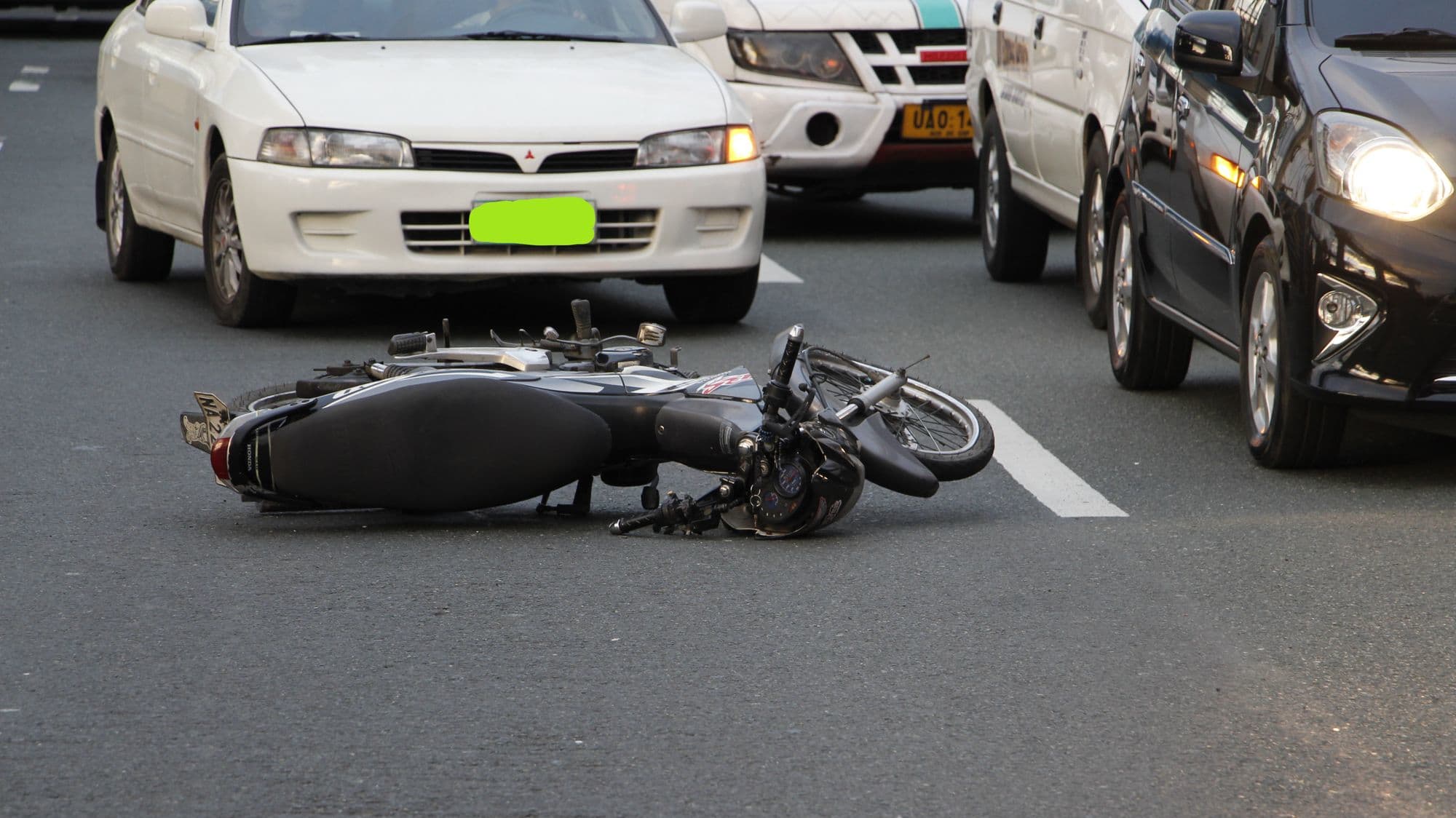
Modern law also recognises liability without fault, particularly for things in one’s custody or for certain activities, in order to better protect victims. Special regimes also exist, such as the scheme for compensating road traffic accident victims.
Compensation
Compensation aims to put the victim back in the position they would have been in without the damage. It most often takes the form of damages, but may also be compensation in kind.
A preventive role
By encouraging everyone to act carefully, civil liability also plays an important preventive role.
What should you do if you are a victim?
Keep all evidence (photos, witness statements, medical certificates, invoices), assess your loss and seek advice: the time limits for taking action are set by law.
This article is for general information only and does not replace advice tailored to your situation.
Articles published on this website are for general information only and do not constitute legal advice.