International & expats
Mixed Marriages in Morocco: The Complete Path to Marrying a Foreign National
The judge’s authorisation, the file, the certificate of capacity to marry, the substantive conditions and registering a marriage concluded abroad: everything you need to know about a marriage between a Moroccan and a foreign national.
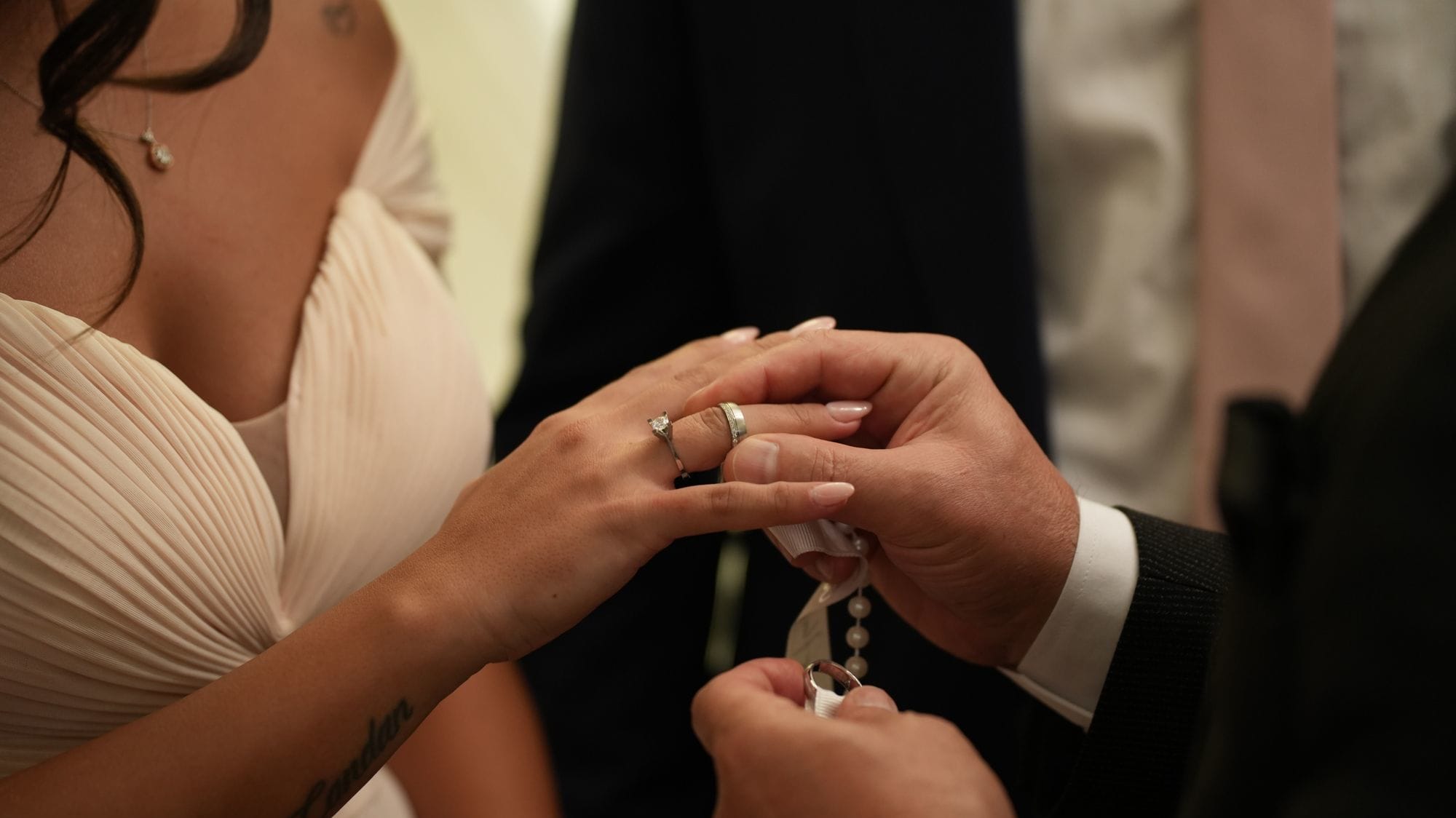
Every year, Agadir and its surroundings welcome many foreign nationals, whether tourists, retirees, investors or workers, and marriages between Moroccans and foreigners are common there. Such marriages are entirely possible, but they follow a more regulated procedure than a marriage between two Moroccans. A well-prepared file goes through smoothly; a poorly prepared one can take months. Here is the path.
Prior authorisation from the judge
When a Moroccan man or woman wishes to marry a foreign national in Morocco, the marriage is concluded before two adouls (notaries under Islamic law), but only after authorisation from the judge in charge of marriages at the family section of the Court of First Instance, for example in Agadir or Inezgane. The judge checks that the legal conditions are met and the file is complete. An administrative inquiry may be ordered, which sometimes lengthens the process.
The substantive conditions set by law
The Family Code imposes conditions common to all marriages: the free consent of both spouses, capacity (legal age), the absence of any impediment, two witnesses and a dowry (sadaq). In mixed marriages, a specific rule concerns religion:
- a Muslim Moroccan man may marry a Christian or Jewish woman;
- a Muslim Moroccan woman may only marry a Muslim man; if the future husband is not Muslim, his conversion must first be established by a deed drawn up before the adouls.
These rules apply under Moroccan law, whatever the law of the foreign spouse’s country.
Documents to gather
For the foreign spouse, the file usually includes:
- passport and birth certificate (translated and apostilled or legalised);
- a certificate of capacity to marry or certificate of custom issued by their consulate or home country, confirming they are free to marry;
- a criminal record certificate from the country of origin and, where relevant, the country of residence;
- proof of address and employment;
- a pre-marital medical certificate;
- where applicable, the certificate of conversion to Islam;
- if previously married, proof that the earlier marriage ended (divorce or death).
For the Moroccan spouse: birth certificate, national ID card, certificate of residence, medical certificate, anthropometric record and, where needed, a certificate of single status. Requirements can vary from court to court, so it is wise to check them before ordering translations.
The process
- Preparing and filing the application with the family section.
- Review by the judge, possibly with an administrative inquiry.
- Authorisation to marry.
- The marriage deed drawn up by two adouls, in the presence of both spouses and the witnesses.
- Approval by the judge and registration in the civil registry.
What if the marriage takes place abroad?
A Moroccan can marry abroad according to local administrative formalities, provided the substantive conditions of Moroccan law are met: consent, capacity, no impediment, a dowry and two Muslim witnesses. A copy of the marriage certificate must then be filed with the Moroccan consulate within three months so that it can be registered. Otherwise, the marriage may not be recognised in Morocco, with consequences for the children’s civil status and for inheritance. Where regularisation is needed, proceedings to establish the marriage can be brought.
The effects of a mixed marriage
- Nationality: the children of a Moroccan father or a Moroccan mother are Moroccan. The foreign wife of a Moroccan man may, under certain conditions, acquire Moroccan nationality. See our article on nationality.
- Property: each spouse keeps their own assets, but an agreement on managing property acquired during the marriage can be made in a separate document, which is particularly advisable when assets are located in two countries.
- Divorce: if the couple separates, Moroccan rules will apply to the Moroccan spouse, which can clash with the law of the other spouse’s country. See divorce for Moroccans living abroad.
Our advice
- Start the process several months ahead.
- Have documents translated by an approved translator and check the apostilles.
- Plan for the marriage to be recognised in the foreign spouse’s country too.
- Get support to avoid refusals for incomplete files.
Support in Agadir and Inezgane
The office of Maître Said Laachili assists mixed couples and Moroccans abroad with preparing the file, dealing with the family section and having marriages concluded abroad recognised, as part of its family law practice. For other remote procedures, read our guide for Moroccans abroad and exequatur of foreign judgments.
Planning a mixed marriage? Contact the office to prepare your file.
Articles published on this website are for general information only and do not constitute legal advice.


